
The Grocery Store Trick That Cut My Monthly Bill by $240
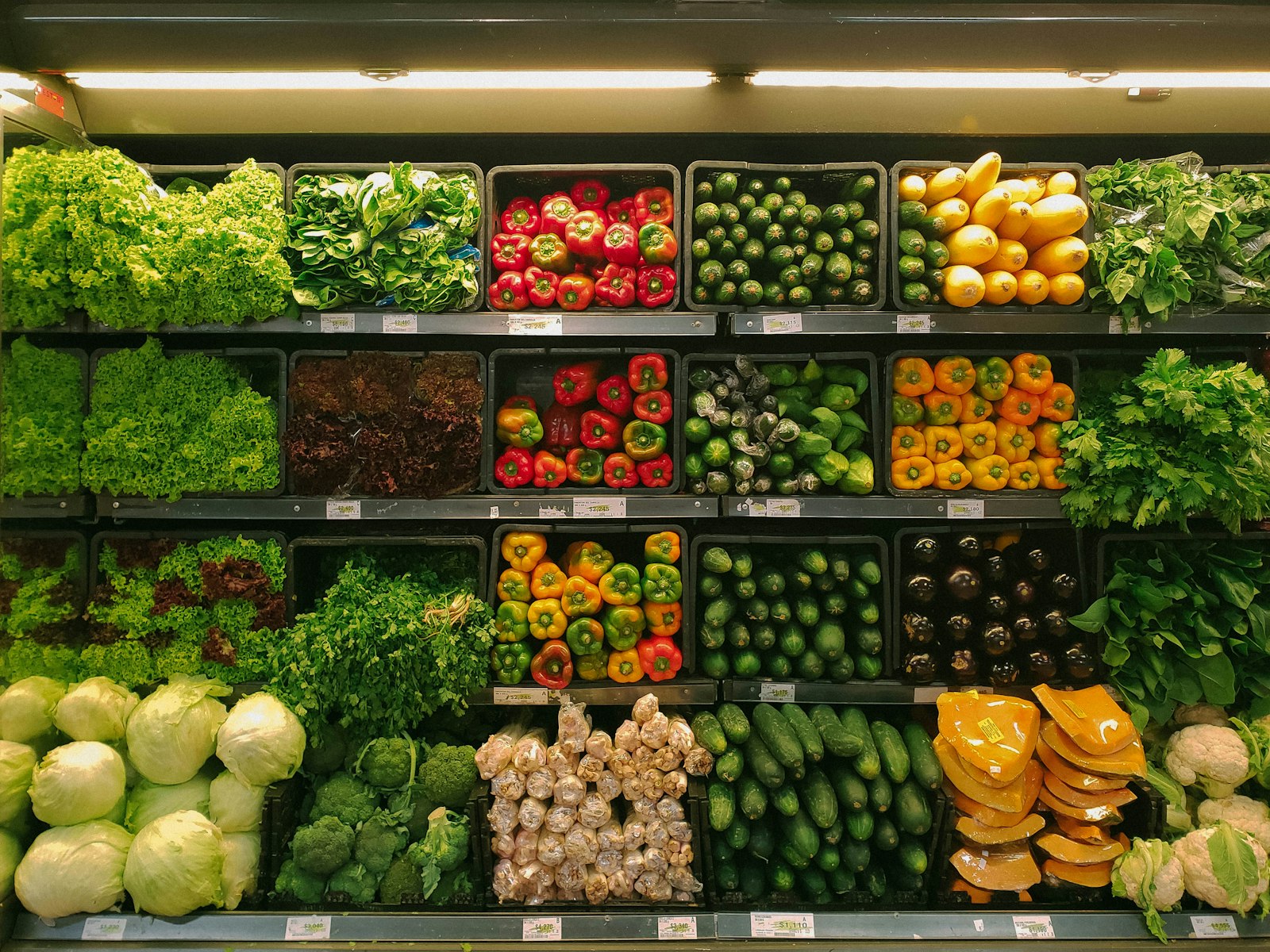
For most of 2023, my partner and I were spending about $720 a month on groceries between us. We're two adults, no kids. We mostly cook at home. We don't eat anything especially fancy or hard to source. By any reasonable measure, $720 was way too much.
I'd tried the usual fixes. Meal planning, which collapsed by Wednesday. Coupons, which took twice as long to clip as they saved. Buying in bulk at Costco, which led to weird six-pound containers of arugula slowly composting in the fridge. None of these moved the needle by much.
What finally did it was a single change I made to how I walked into Trader Joe's on a Saturday morning. The change has now been running for fourteen months. Our average monthly grocery bill is $480.
I want to walk through exactly what it is, because it's annoyingly simple.
The Change
I stopped going into the grocery store without a written list.

That's it. That's the trick.
I know how that sounds. I know every personal finance article tells you to make a list. I know you've heard this advice approximately seven thousand times in your life. Hear me out about why I'd never actually done it, and why it worked when I finally did.
Why I Hadn't Been Doing It
The honest version of why I hadn't been writing a list before going to the store is that I thought I didn't need one. I shop at the same stores. I know what we eat. I'm a reasonably organized person. Going to Trader Joe's without a list felt like walking down a familiar street — I knew where I was going.
What I had not understood, until I started actually using a list, is what a supermarket does to your brain when you don't have one.
A supermarket is a building specifically designed to extract more money from you than you intended to spend. The store's architecture, the product placement, the lighting, the layout — all of it has been engineered by professionals who have spent careers figuring out how to nudge shoppers into adding things to their cart that weren't on any list, because there was no list.
Walking into Trader Joe's without a list, I was essentially telling them: "Here is my brain. Show me what to buy." And they obliged. Eighteen dollars worth of those tiny dark chocolate peanut butter cups. Four containers of pre-made dip when we already had hummus at home. A whole salmon fillet because it looked nice and was on sale, then forgotten in the freezer for three months.

The List I Actually Use
The list is not a fancy thing. I keep it on a magnetic notepad on the fridge. Throughout the week, as we run out of stuff, one of us adds it to the pad. On Saturday morning, I take a photo of the notepad and that is the entire shopping list.
Critically, I also add what we're cooking that week. Not in a formal meal plan way — just a couple of phrases. "Thursday: pasta and salad. Saturday: chili. Sunday: roast chicken." This adds the specific ingredients we don't have for those meals to the list.
The list usually has about 25-30 items on it. I add nothing in the store that isn't on the list. If I see something genuinely interesting that isn't on the list — a new product, a sale — I write it on the bottom of the list with a note for next week, and consider whether to buy it then.
This last move, deferring the impulse buy by a week, eliminates about 90% of impulse purchases. By the next Saturday, I have completely forgotten about the dark chocolate peanut butter cups. The deferral is not a no, but it's enough friction to filter out most of the unnecessary purchases.
What the List Actually Does
A list doesn't just stop impulse buys. It does three other things I had not appreciated.
It reduces duplicates. When I shopped without a list, I would frequently come home and discover we already had a half-full jar of peanut butter, an unopened bag of rice, and three lemons. The list, written from the actual contents of the fridge and pantry, eliminates these duplicates because I know what we already have.
It accelerates the shop. With a list, I walk through the store in roughly twenty minutes instead of forty. Less time in the store correlates almost perfectly with less impulse spending, because the store's persuasion machinery has less time to work on you.
It calibrates your spending awareness. Because the list is roughly the same size each week, the total spend is roughly the same each week. I now know that a Trader Joe's run for the two of us should cost between $90 and $115 depending on what we're cooking. If the cashier rings up $148, I know something went wrong on the list, and I can usually identify what.
The Other Two Changes That Helped
I want to be honest that the list isn't the only thing that happened. Two other smaller changes were part of getting from $720 to $480.
I switched 50% of our shopping to ALDI for staples. Milk, eggs, butter, rice, pasta, canned goods, frozen vegetables, basic snacks. ALDI is roughly 30-40% cheaper than Trader Joe's or our local Safeway for these basics, and the quality is, in my honest opinion, indistinguishable for most items. We still go to Trader Joe's for things ALDI doesn't carry well — specific produce, certain cheeses, the frozen meals we use as emergency dinners. But the bulk of the budget went to ALDI.
I started checking the per-unit price. This is the small text under the main price tag, showing the price per ounce or per pound. A "sale" item is sometimes more expensive per unit than the regular version next to it, because they've changed the package size. Once you start checking this, you stop falling for several common pricing illusions.
The Result
Across the past fourteen months, our grocery spending has averaged $480 a month. The previous baseline was $720. The saving is $240 a month, or $2,880 a year.
The relevant question is not whether we feel deprived. We don't. We eat genuinely the same kinds of meals we ate before — we just buy them more deliberately, from cheaper sources, with less waste. The peanut butter cups, when I want them, I get one bag, on purpose, and I notice and enjoy them. The "I'll just throw it in the cart" purchases have stopped.
$2,880 a year is real money. It is, on a typical American salary, about a 4% raise after tax. It is also money that compounds, because I now have it automatically diverted to my Roth IRA via the same mechanism I described in another piece about investing $50 a week.
What I'd Tell You
If you have not actually been writing a list before grocery shopping, this is the highest-return personal finance change you can make in fifteen minutes. It is also, oddly, the one that most personal finance articles undersell.
The list is not a moral discipline. The list is structural protection against the eight retail psychologists who designed the layout of your favorite grocery store. Without the list, they are deciding what you buy. With the list, you are.
Bring the list. The math takes care of itself.

Written by
Sarah Chen
Sarah paid off $52,000 in student loans, reached financial independence at 41, and now writes about the real-world money decisions that actually move the needle. She's based in Portland, Oregon and still tracks every dollar.
More about SarahYou Might Also Like

I Kept $18,000 in a Regular Savings Account for Three Years. Here's What That Cost Me.
My bank's savings account paid 0.01% APY. I had $18,000 sitting in it for three years. When I finally did the math on what I'd lost, it was embarrassing enough to motivate me to switch the same afternoon.

A 50-Point Credit Score Gap Cost Me $9,000 on My Mortgage
I thought my credit was fine until a lender showed me the real rate. The 50 points I'd ignored had quietly added $9,000 to my 30-year mortgage. Here's why.

The Dental Insurance Trap Nobody Warned Me About
I paid for dental insurance for four years before I did the math. The numbers, when I finally added them up, showed I had paid roughly twice what the same care would have cost out of pocket. Here's what's really happening with most dental plans.