
How I Paid Off $28,000 in Debt on a Teacher's Salary
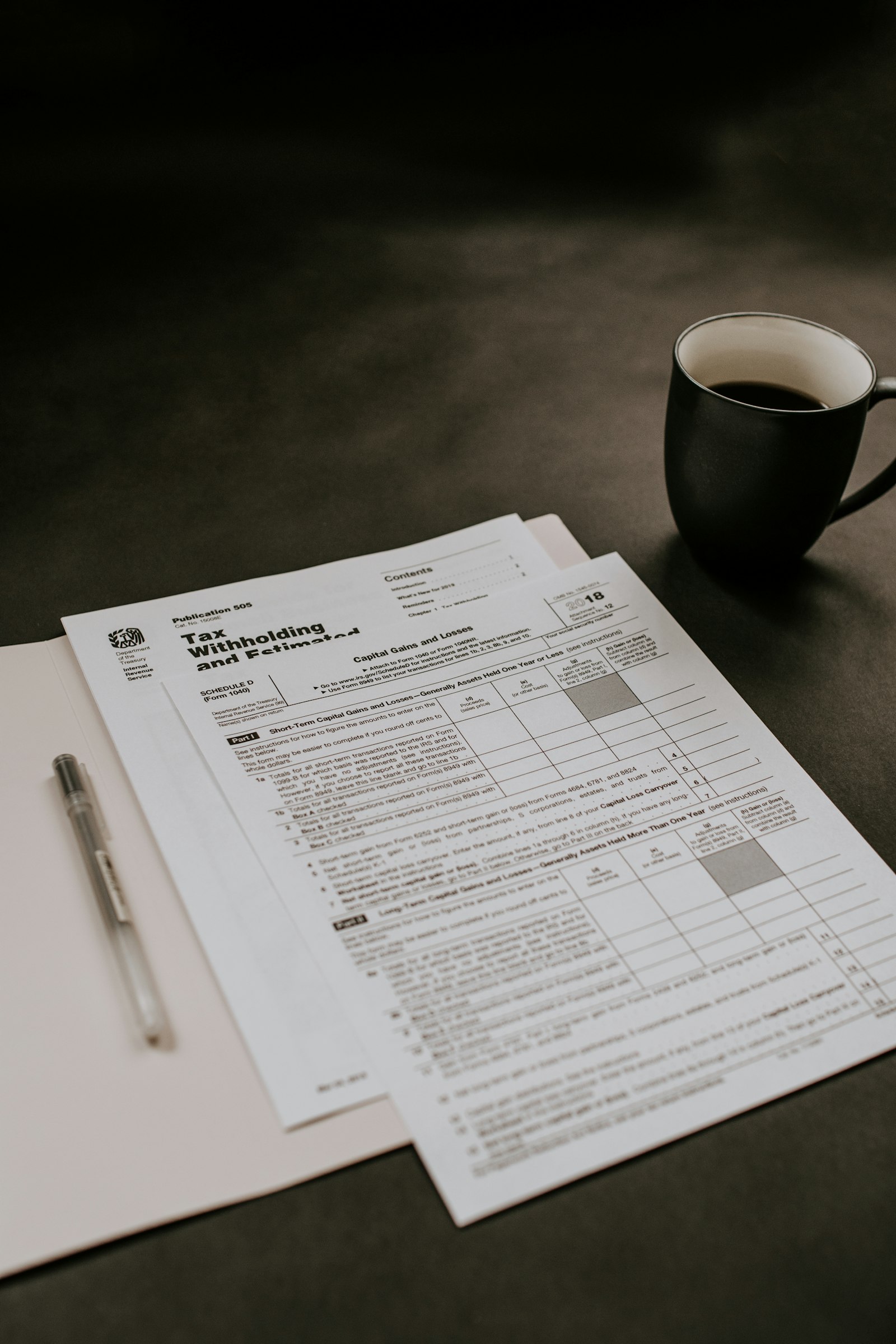
I still remember the exact moment I decided enough was enough. It was a Tuesday evening in October, and I was sitting at my kitchen table surrounded by graded papers, a cold cup of coffee, and a stack of bills I'd been avoiding for two weeks. Student loans. Credit card. A personal loan from a terrible decision I made at 24. Total damage: $28,347.
I was a second-grade teacher. My take-home pay was $2,680 a month after taxes and health insurance. The math felt impossible.
The Moment Everything Changed
What finally cracked me open was a simple calculation I did on a napkin. If I kept making minimum payments at the rate I was going, I'd be 47 years old before I saw zero. I was 29. That felt like a prison sentence.
So I got angry. Not at the loans — at myself, for letting it drift this long. And then I got organized.
Step 1: The Honest Budget Audit
I pulled every single transaction from the past three months and put them into a Google Sheet. What I found was embarrassing and eye-opening at the same time. I was spending $340 a month eating out. I had three streaming subscriptions I'd forgotten about. And I was paying $89 a month for a gym membership I used approximately twice since February.

That audit freed up $510 a month before I made a single significant sacrifice.
Step 2: The Debt Avalanche (Not Snowball)
I know the debt snowball gets all the press, and I understand why — the psychological wins are real. But I used the debt avalanche method because the math simply works better. I lined up my debts from highest interest rate to lowest:
- Credit card: $4,200 at 22.9% APR
- Personal loan: $6,800 at 14.5% APR
- Student loans: $17,347 at 5.8% APR
I threw every extra dollar at the credit card first. It took five months. When that balance hit zero, I cried actual tears in my car.
Step 3: Increasing Income Without a Second Job
Teachers aren't supposed to have side income, right? Wrong. I started tutoring two students on Saturday mornings — $45 an hour each, two hours each. That's $180 extra every Saturday, $720 a month. It didn't feel like a job because I genuinely enjoyed it.
I also applied for a small classroom grant and used part of it to buy supplies that freed up personal money I'd been spending on my students (yes, teachers do this constantly).
The Sacrifices Were Real
I didn't go on vacation for two years. I said no to bachelorette parties in Nashville. I told friends I was "on a budget thing" and was surprised how many of them respected it. Some even joined me.

I ate a lot of beans and rice. I read library books instead of buying them. I stopped online shopping entirely — deleted the apps, removed saved credit cards.
Month 26: The Zero Call
I made my final student loan payment on December 3rd, two years and two months after I started. The total was $312.44. I Venmo'd it from my phone, took a screenshot, and sent it to my mom with the caption: "DONE."
Here's what I learned: Debt payoff isn't a math problem. It's a behavior problem. The numbers are simple. The hard part is deciding every single week that your future self matters more than today's convenience.
If I can do it on a teacher's salary, you can do it too. The path isn't pretty, but it exists.
What debt payoff method worked for you? Drop it in the comments — I read every single one.

Written by
Sarah Chen
Sarah paid off $52,000 in student loans, reached financial independence at 41, and now writes about the real-world money decisions that actually move the needle. She's based in Portland, Oregon and still tracks every dollar.
More about SarahYou Might Also Like
How Payday Loans Actually Work (And Why the Math Is Far Worse Than It Looks)
A payday loan for $300 that costs $45 to borrow sounds manageable. Run the math and that fee is equivalent to a 391% annual interest rate. Here is exactly how these loans work, why so many people get trapped, and what to do instead.

The Month I Stopped Living Paycheck to Paycheck (It Wasn't a Raise That Fixed It)
I made a decent salary and had nothing left three days before payday every month. This is the exact sequence of changes that broke the cycle — and why the thing that actually worked wasn't what I expected.
Giving My Kid $5 a Week Quietly Fixed a Hole in My Own Budget
I started my son's $5 weekly allowance to teach him about money. Watching him agonize about a $24 toy exposed a spending habit I'd long hidden from myself.